10-10 Hats
What makes a rope hat different? From its signature cord detail and golf roots to modern performance designs, here's what to know about the classic style.
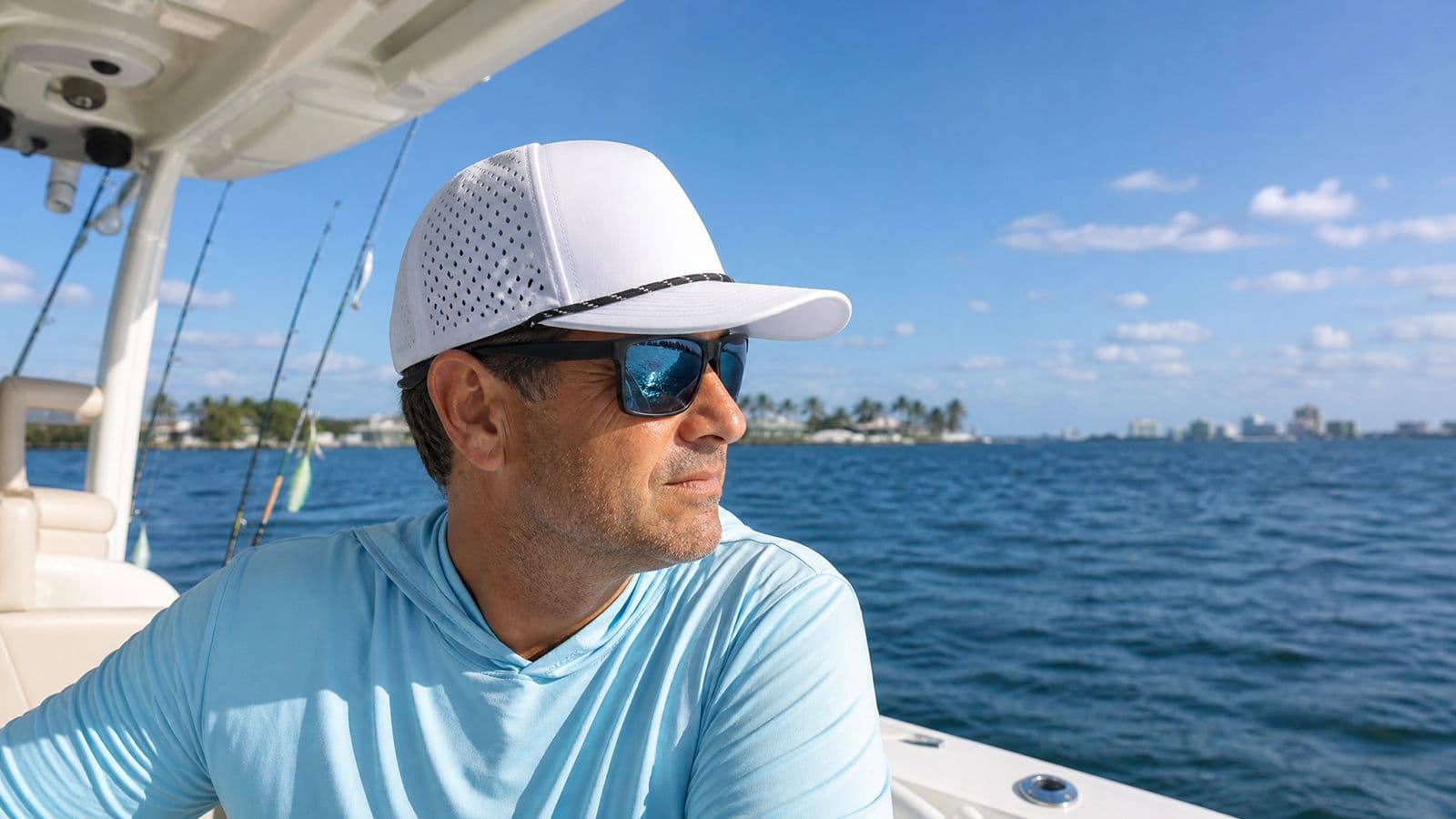
Rope hats have become one of the most common caps on golf courses, boat docks, and city sidewalks at once — and most people who own one couldn't tell you what actually makes it a "rope" hat rather than any other snapback. The answer is a single, specific detail: a twisted or braided cord stitched along the seam where the crown meets the bill. Everything else about the hat — panel count, fabric, closure — varies more than the name suggests.
A rope hat is a cap with a decorative rope or cord sewn along the seam where the front panel meets the bill. That's the whole definition — the rope is a trim detail, not a structural one. Remove it and the hat underneath is usually an ordinary snapback cap; add it back and you get the slightly retro look that's kept rope hats in rotation at golf shops, tackle stores, and outdoor brands for decades.
A few things distinguish it beyond the rope itself. The trim needs a structured or semi-structured front panel to sit against, so rope hats skew toward stiffer crowns rather than soft, floppy ones. The closure is almost always an adjustable snapback rather than a fitted or stretch-fit crown. And the bill can be curved or flat — an independent style choice, not something the rope dictates.
It's worth being precise about the term, because it gets used loosely online. A rope hat isn't the same thing as a trucker hat, and it isn't tied to one brand or material — it's a trim style that shows up on cotton canvas and technical polyester alike, built for a golf course or a boat.
Rope-trimmed caps have a long, genuine association with golf apparel. Vintage rope hats from golf courses and pro shops date at least to the 1980s and 90s, and the style has stayed in continuous production since — major golf retailers and publications still carry and cover "rope hats" as a named category today. A popular claim traces the rope trim to naval officers' cord or military rank insignia; we couldn't verify that against any primary source, so we're not repeating it as fact here.
Rope hats also get confused with trucker hats, and the two are worth separating. The trucker hat — foam front panel, mesh back, curved bill — started in the 1970s as promotional giveaway merchandise from U.S. feed stores and agricultural suppliers, and became an ironic mainstream fashion trend in the early 2000s. Rope trim can appear on a mesh-back cap, but it doesn't have to, and in practice most modern rope hats don't use one — ours don't. Rope is a trim detail; "trucker" describes a specific construction. The two overlap sometimes, but they're not the same category.
Rope hats' current visibility tracks two trends that have been building for a few years. The five-panel cap generally has moved well past its skate-and-streetwear reputation into outdoor, running, and everyday categories — and rope trim, closely associated with five-panel construction, has moved with it. At the same time, "coastal" and golf-adjacent aesthetics have pushed further into mainstream style, and rope hats were already the house look for both. Golf and fishing brands never stopped making them; they just got more visible as those aesthetics did.
That's a steadier story than a sudden trend — more a return to circulation for a style that had drifted toward niche golf-shop status than a new invention.
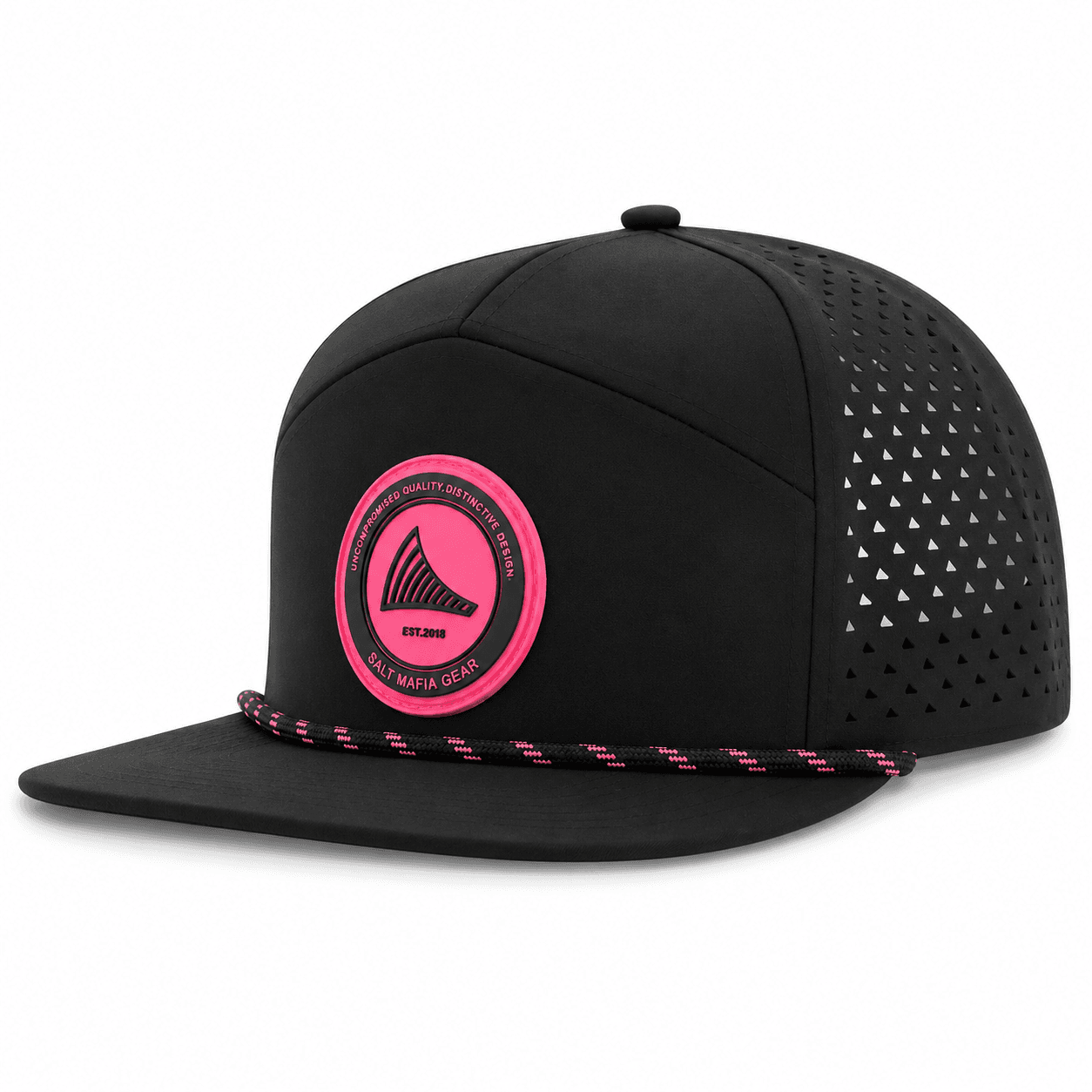
Rope trim and five-panel construction show up together often enough that some brands treat them as nearly one category. Branded Bills describes part of its own lineup as "performance-driven 5-panel ropes and truckers" — five-panel and rope, named in the same breath. It's the most common pairing in our own catalog too, though not the only one; Salt Mafia's rope hats include a seven-panel build alongside their five-panel styles.
The coastal half of the pairing comes through in brand identity as much as construction. Salt Mafia builds its catalog around "coastal-inspired apparel and headwear for anglers, boaters, and outdoor enthusiasts," and its rope hats carry that straight through — floatable, water-repellent, built for a boat deck. 10-10 Hats leans the same direction, with several rope hats named directly for fish species.
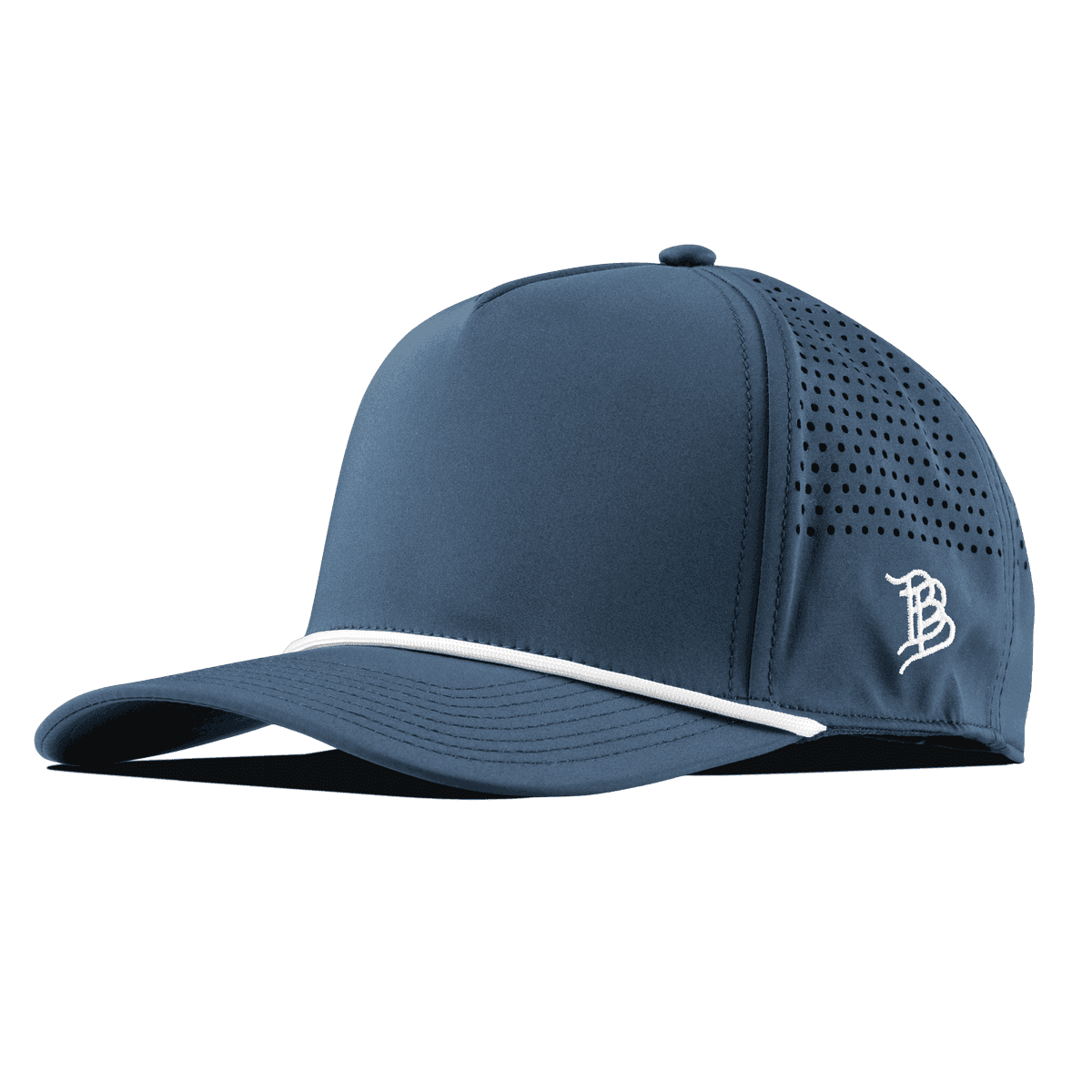
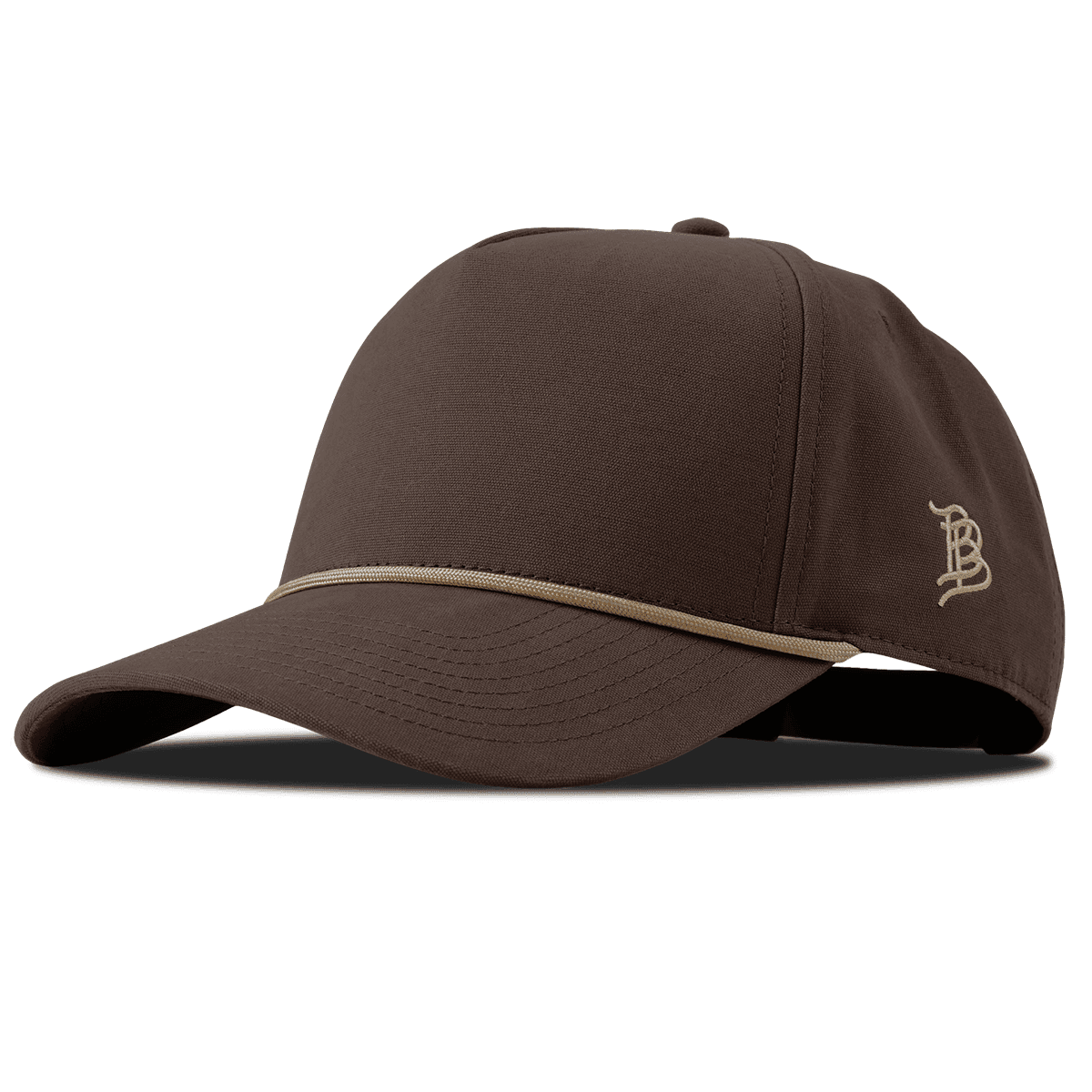
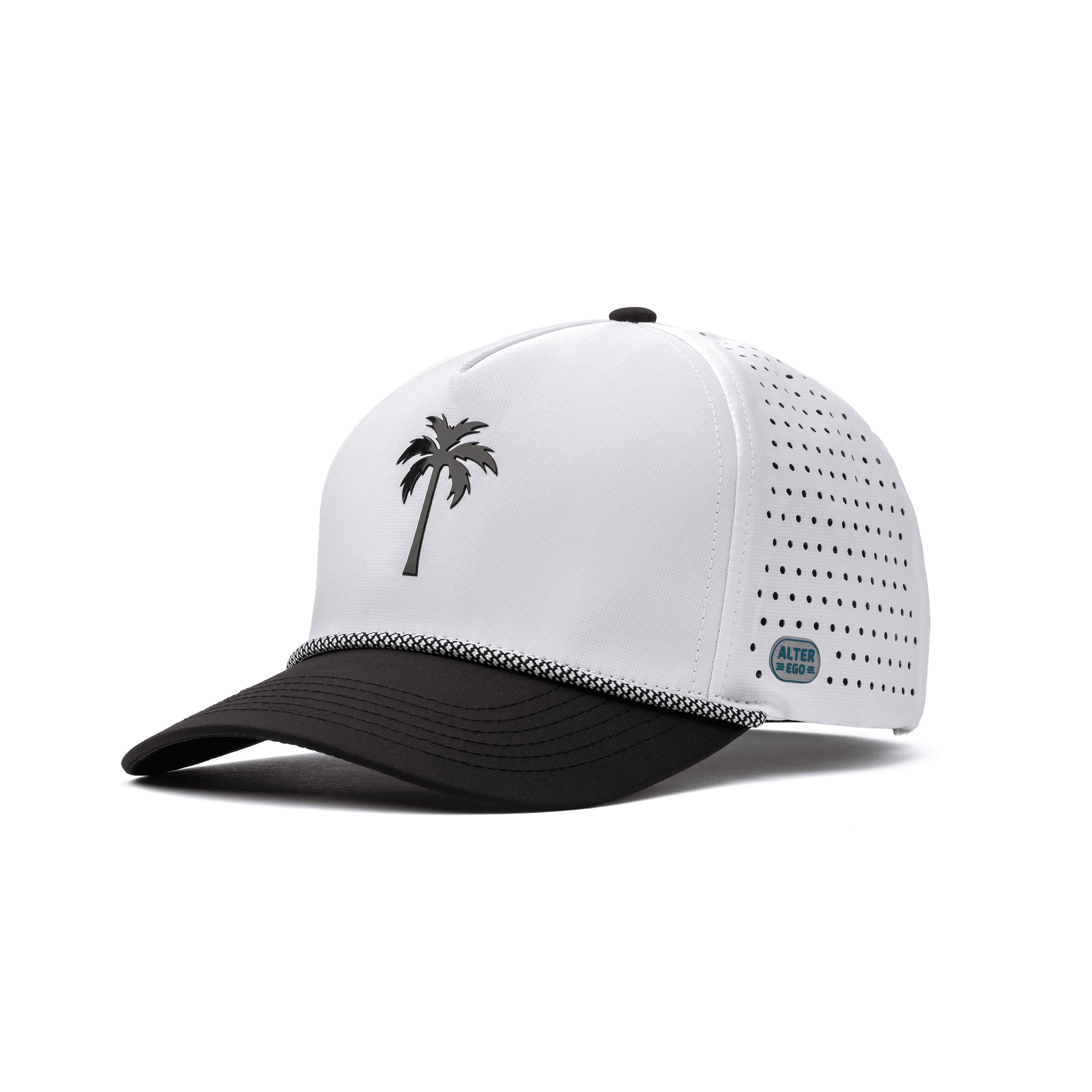
None of that means rope trim is fabric-locked, though. Branded Bills' Bare Curved Canvas 5 Panel Rope Hat uses a cotton crown and brim built to fade and soften with wear, closer to a heritage piece than a technical one. Its Elite XGen® line goes the other direction — a stretch-woven fabric with a water-repellent shell and moisture-wicking sweatband. And Alter Ego's Coaster Splash Classic Black White Palm shows the trim applied outside fishing altogether, built on the brand's HyperPoly+ fabric and AER Splash water-repellent treatment for running rather than the water. The rope trim itself doesn't predict any of this — check the actual materials and feature list on a given hat rather than assuming.
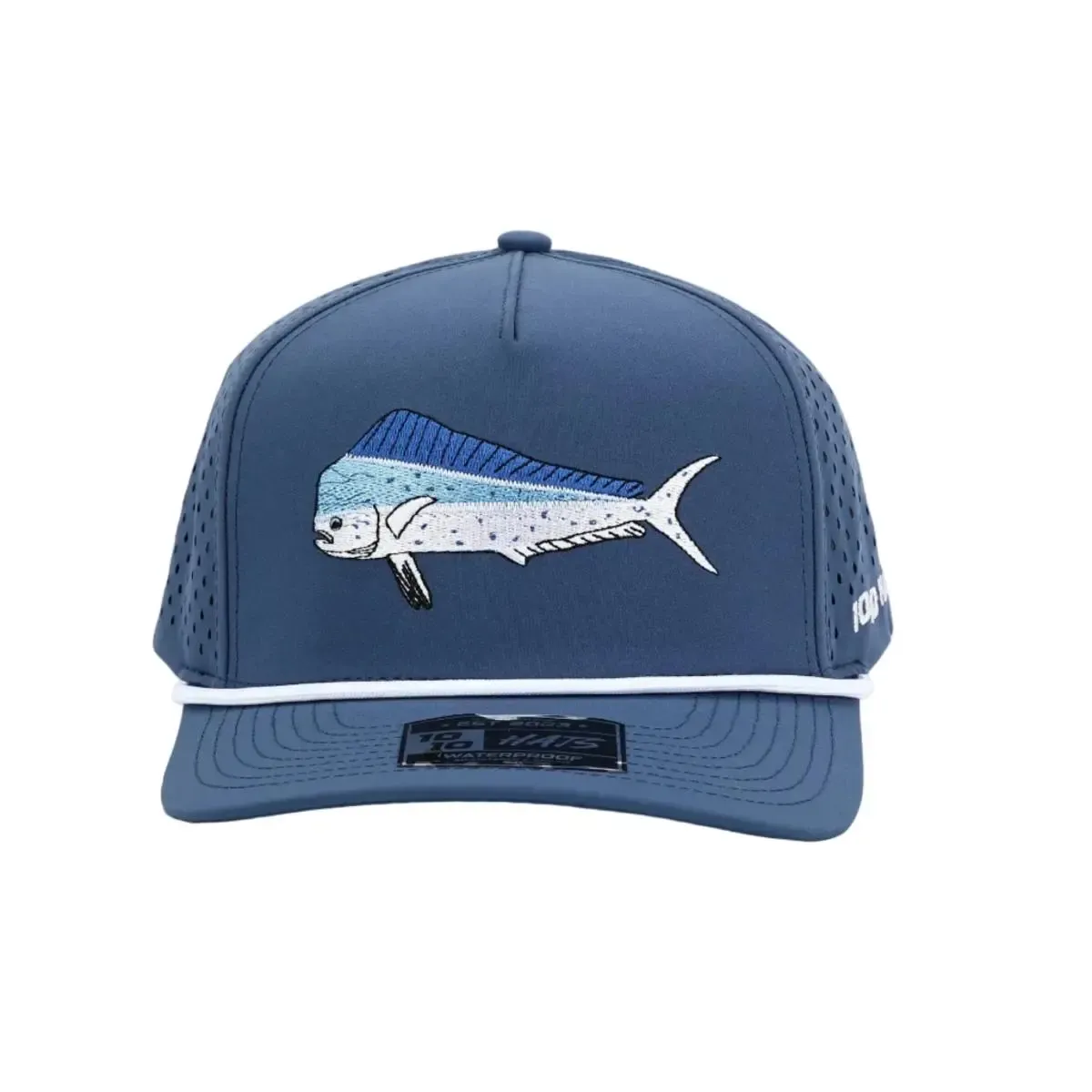
Fishing and boating are where the rope hat has settled in as practical gear rather than just a look. 10-10 Hats' fish-themed rope hats — including the Mahi Fish Hat — are snapback-adjustable, water-repellent, and moisture-wicking, with laser-perforated panels for airflow rather than a mesh back. Salt Mafia's Patches Pulse Hat adds floatable construction on top of a similar water-repellent, breathable build — worth checking for specifically if there's a real chance the hat goes overboard, since water-repellent and floatable aren't the same spec (we go deeper on that distinction in What Makes a Good Hat for Fishing and Boating?).
Both brands' rope hats show up in our Water-Ready Hats collection, which gathers the catalog's water-repellent, floatable, and breathable picks regardless of style.
Nearly every rope hat is an adjustable snapback — check the specific closure, since "adjustable" can also mean a buckle or cloth strap depending on the brand.
Five-panel crowns are the most common and sit lower-profile; seven-panel runs a bit higher and rounder. Curved and flat bills both show up — pick based on the silhouette you want, not tradition.
Cotton canvas softens and fades with wear but rarely claims water resistance. Polyester and polyester-spandex blends are the better bet for anything that needs to handle sweat, spray, or regular washing.
Headed for the water: prioritize water-repellent construction, and floatable specifically if there's a real chance of it going overboard. Headed for a hot, sunny day generally: look for laser-perforated or vented panels and a lightweight tag. Not every rope hat carries every feature, so check the individual hat rather than assuming.
A rope hat comes down to one specific, checkable detail — a cord stitched along the front seam — sitting on top of a style that varies more in material and performance than the trim suggests. Its golf-shop roots are real and long-running, and its current visibility owes more to the broader five-panel and coastal-style resurgence than to anything new about the rope itself. To see the range across brands, the Rope style page is the place to start. Choose on fit, crown, and features — same as any other hat — rather than on the rope alone.
Matthew Howe
Co-Founder
Matthew Howe co-founded Just Say Hats with his father, Curt Howe, in 2007. With nearly two decades of experience in e-commerce, digital marketing, and entrepreneurship, Matthew now leads the editorial direction of Just Say Hats, discovering standout hats, emerging brands, and the stories behind them.
Keep Reading
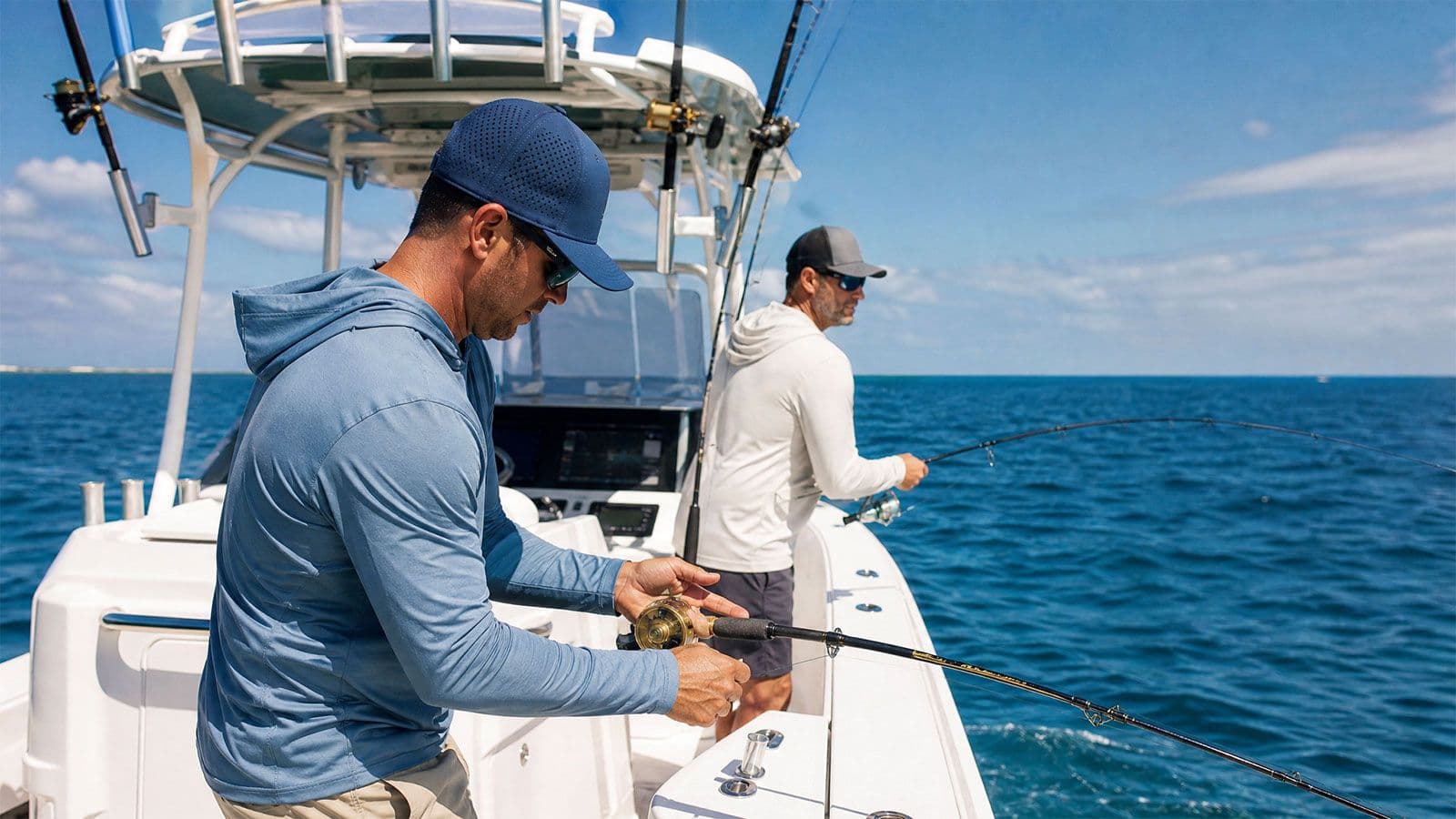
Water resistance, floatability, breathability, and fit — the practical features that actually matter when a hat has to survive spray, sun, and long days outside.
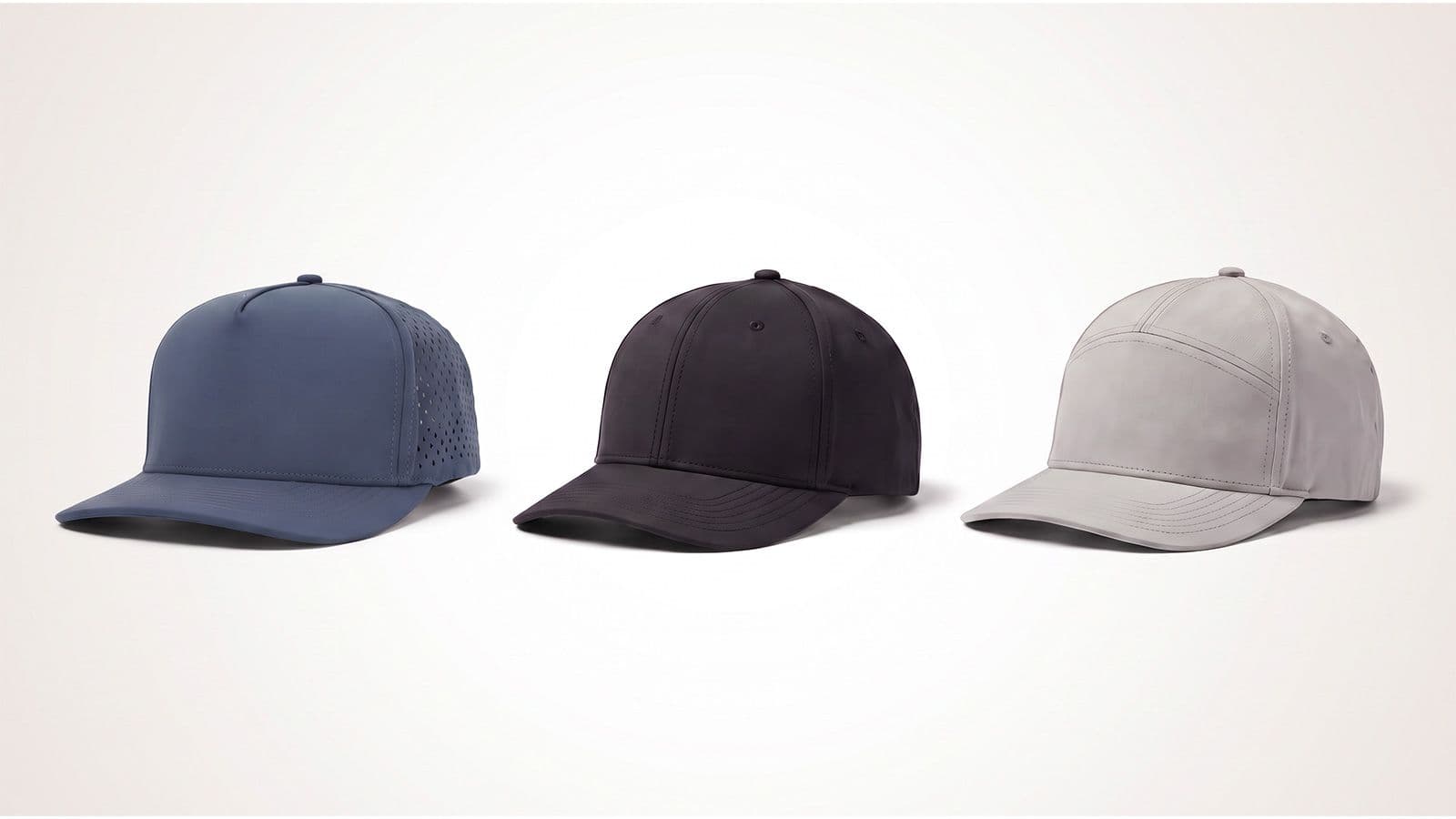
Panel count shapes a hat’s crown more than most people realize. What 5-, 6-, and 7-panel construction actually means, with real hats from the catalog showing the difference.